





Creating a cozy and inviting home workspace is essential for staying focused, motivated, and comfortable throughout your workday. Whether you work remotely full-time, have occasional tasks to complete at home, or need a dedicated area for creative projects, designing a space that feels welcoming can make a big difference. Here are some helpful tips to transform your workspace into a cozy retreat.
1. Choose the Right Location
Selecting the perfect spot for your workspace is the first step. Ideally, pick a quiet area with minimal distractions and good natural light. A corner near a window can provide fresh air and daylight, which helps reduce eye strain and improve mood.
If space is limited, consider flexible options like a foldable desk or a small nook that can be used exclusively during work hours. The key is to have a dedicated area that signals “work time” and separates it from relaxation.
2. Invest in Comfortable Furniture
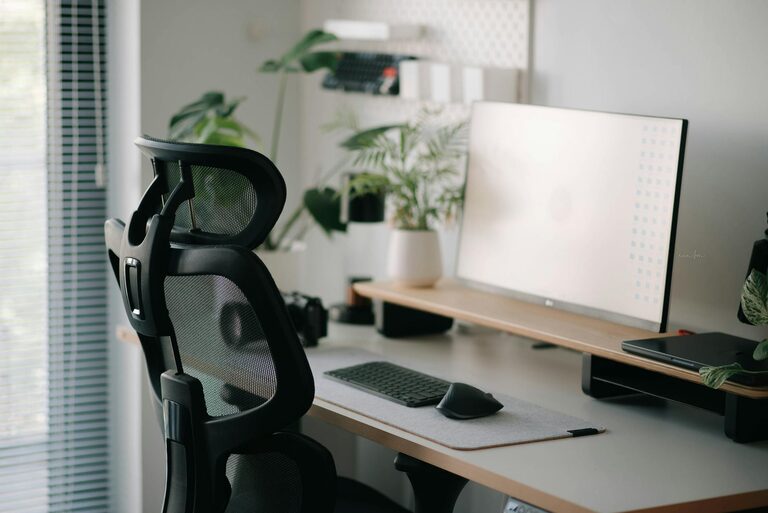
Comfort is crucial when setting up a home office. Choose a chair that supports good posture to protect your back during long hours of sitting. Ergonomic chairs are a great investment, but even a chair with adequate cushioning and adjustable height can help.
For your desk, pick a surface that suits your work style — whether it’s spacious enough for multiple screens or compact for notebook tasks. Adjustable desks that allow you to alternate between sitting and standing positions add extra comfort and health benefits.
3. Create Warm and Soothing Lighting
Lighting sets the mood for your workspace. While natural light is best, supplement it with warm-toned lamps or LED lights that reduce harsh glare. Desk lamps with adjustable brightness can help you focus on detailed tasks without straining your eyes.
Avoid overhead fluorescent lights when possible, as they can feel cold and uninspiring. Using soft, diffused lighting creates a more inviting atmosphere that encourages productivity.
4. Organize and Declutter
A tidy workspace reduces stress and increases efficiency. Use organizers such as trays, shelves, or drawers to keep supplies and documents in order. Label containers to easily find what you need without interrupting your workflow.
Regularly declutter your desk by removing unnecessary items. Keeping only essentials within arm’s reach improves focus and makes the space visually calm.
5. Add Personal Touches
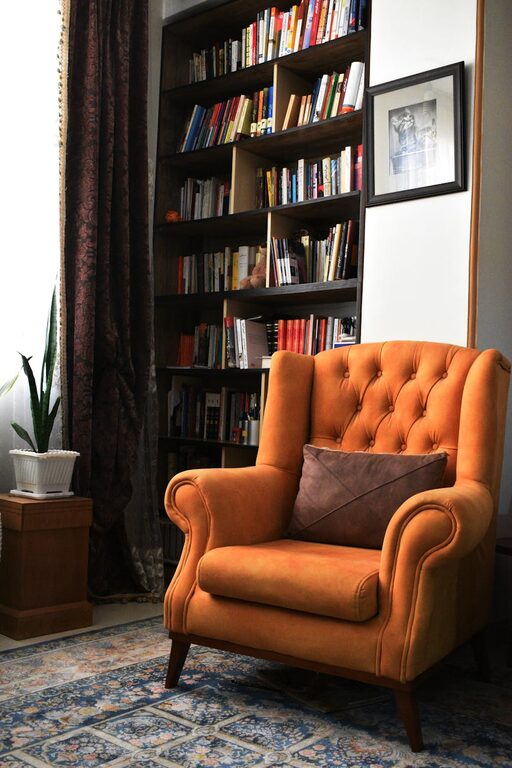
Personalizing your workspace makes it feel inviting and inspiring. Hang artwork or photos that motivate you or create a vision board with your goals. Indoor plants bring a touch of nature inside, improving air quality and adding a calming effect.
Choose colors and decor that resonate with you — whether soothing blues, energetic yellows, or neutral tones — to enhance your mood while working.
6. Incorporate Soothing Scents and Sounds
Scent and sound can greatly influence your comfort level and concentration. Consider using a diffuser with essential oils like lavender or eucalyptus for a relaxing atmosphere.
To block out distractions, use white noise machines or soft instrumental music. These elements help maintain a peaceful workspace and boost creativity.
7. Ensure Good Ventilation and Temperature Control
A well-ventilated room with a comfortable temperature is essential for productivity. Stale air or extreme temperatures can cause fatigue and discomfort.
If possible, open windows for fresh air or use a fan or air purifier. Adjust your thermostat or use portable heaters or cooling devices to maintain a pleasant environment year-round.
8. Set Boundaries and Create a Routine
Even the most inviting workspace can become stressful without structure. Establish clear start and end times for your workday to separate professional time from personal life.
Use rituals like a morning coffee routine or setting priorities on a whiteboard to mentally prepare for the day. Staying consistent helps your brain associate the workspace with work mode and enhances focus.
Conclusion
Designing a cozy and inviting home workspace is about blending comfort with functionality. By choosing the right location, investing in ergonomic furniture, managing lighting and organization, and adding personal touches, you can create an environment that supports your best work.
Remember to consider your comfort and well-being in every detail, from air quality to sound, and maintain routines that keep your work time productive and your home life balanced. With these tips, your workspace can become a favorite spot for creativity and success.