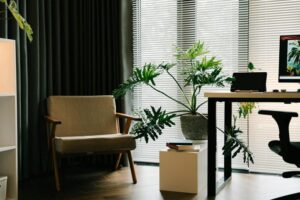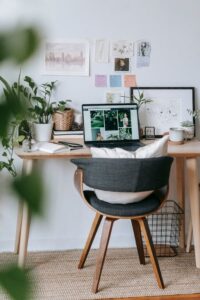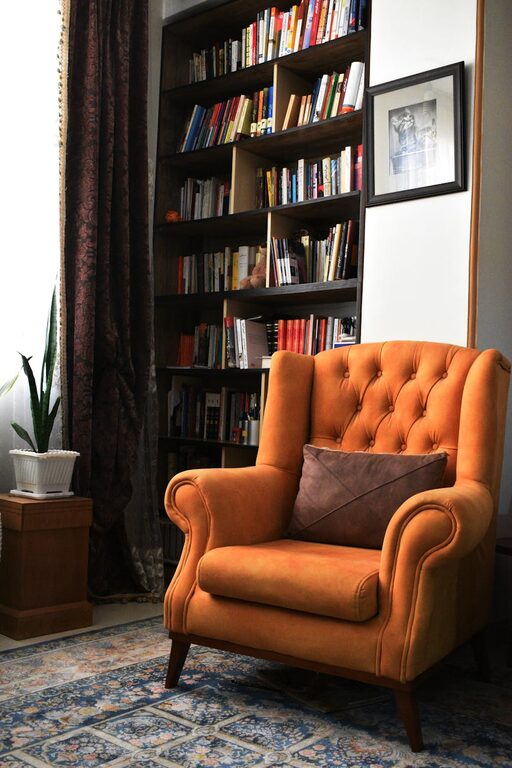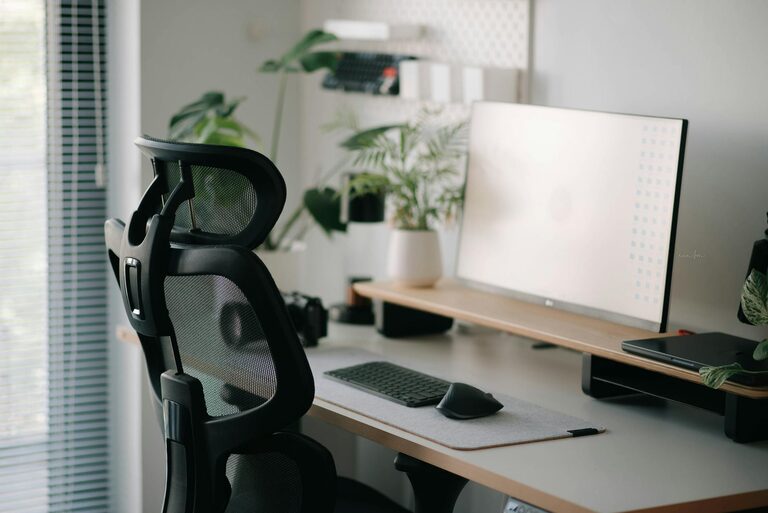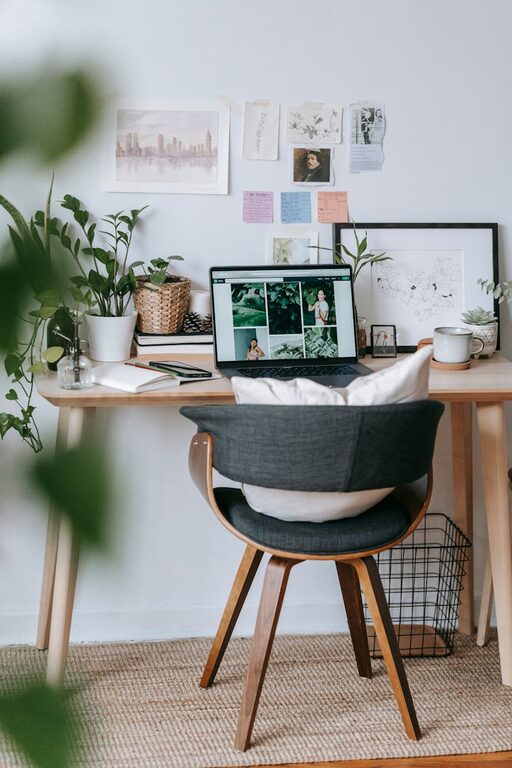






Creating a home office that is both comfortable and productive can make a significant difference in your workday. Whether you’re working remotely full-time or just need a dedicated spot for occasional tasks, having a well-organized and inviting space can improve focus, reduce stress, and increase efficiency. Here are some useful tips to help you design a home office that works for you.
Choose the Right Location
Picking the right spot in your home is the first step. Ideally, your office should be in a quiet area with minimal distractions. Here are a few things to consider:
– Natural light: Position your desk near a window if possible. Natural light boosts mood and reduces eye strain.
– Privacy: Choose a space where you can close the door or minimize interruptions.
– Space: Ensure there’s enough room for your desk, chair, and any other essential equipment or storage.
Invest in Ergonomic Furniture
Comfort is key to maintaining productivity throughout the day. Ergonomic furniture supports your body and can prevent discomfort and injury.
– Ergonomic chair: Look for an adjustable chair with good lumbar support.
– Desk height: Your desk should be at a height where your arms can rest comfortably at about a 90-degree angle.
– Monitor position: Your screen should be at eye level to avoid neck strain.
Organize Your Workspace
A tidy workspace reduces distractions and saves time searching for items.
– Declutter regularly: Keep only the items you need on your desk.
– Storage solutions: Use shelves, drawers, or organizers to store documents and supplies.
– Cable management: Use clips or ties to keep cords neat and prevent tangling.
Optimize Lighting
Proper lighting is important to prevent eye strain and maintain energy.
– Combine lighting sources: Use a mix of overhead lighting, task lamps, and natural light.
– Adjust brightness: Choose adjustable lamps and avoid glare on your screen.
– Color temperature: Softer, warm lights can be relaxing, while cooler lights (around 5000K) can increase alertness.
Personalize Your Space
Adding personal touches can make your office more inviting and boost your mood.
– Plants: Indoor plants improve air quality and create a calming environment.
– Decor: Use artwork, photos, or accessories that inspire you.
– Colors: Choose colors that make you feel focused and positive. Blues and greens are often recommended for productivity.
Minimize Distractions
Creating boundaries helps you stay in work mode.
– Noise control: Use noise-cancelling headphones or white noise machines if needed.
– Set boundaries: Let family members or housemates know your work hours.
– Turn off notifications: Mute unnecessary notifications during work time to maintain focus.
Use Technology Wisely
Choosing the right tools can improve your workflow.
– Reliable internet: Ensure your connection is strong and fast.
– Productivity apps: Use calendars, to-do lists, or time management tools.
– Accessories: Consider an external keyboard, mouse, or monitor to improve comfort compared to laptop use alone.
Maintain a Routine
Sticking to a routine helps your brain switch into work mode.
– Consistent hours: Set regular workstart and end times.
– Breaks: Take short breaks every hour to stretch and rest your eyes.
– Dress code: Dressing comfortably but appropriately can create a professional mindset.
Keep Air Quality and Temperature Comfortable
Physical comfort extends beyond furniture.
– Ventilation: Keep your space well-ventilated to stay alert.
– Temperature control: Use fans or heaters as needed to maintain a comfortable temperature.
Clean Regularly
A clean office is inviting and helps you stay organized.
– Wipe surfaces weekly.
– Vacuum or dust as needed.
– Dispose of or recycle old paperwork regularly.
—
By applying these tips, you can turn any corner of your home into a comfortable and effective workspace. A well-designed home office supports both your physical well-being and productivity, making workdays more enjoyable and successful. Whether you’re tackling tasks or attending video calls, your ideal home office is within reach with thoughtful planning and small adjustments.