




Creating a relaxing home office environment is essential for maintaining focus, reducing stress, and enhancing overall well-being while working from home. Whether you have a dedicated room or a small corner for your workspace, thoughtful design and organization can make a significant difference.
In this article, we share practical tips to help you build a calming and productive home office that inspires creativity and keeps distractions at bay.
1. Choose the Right Location
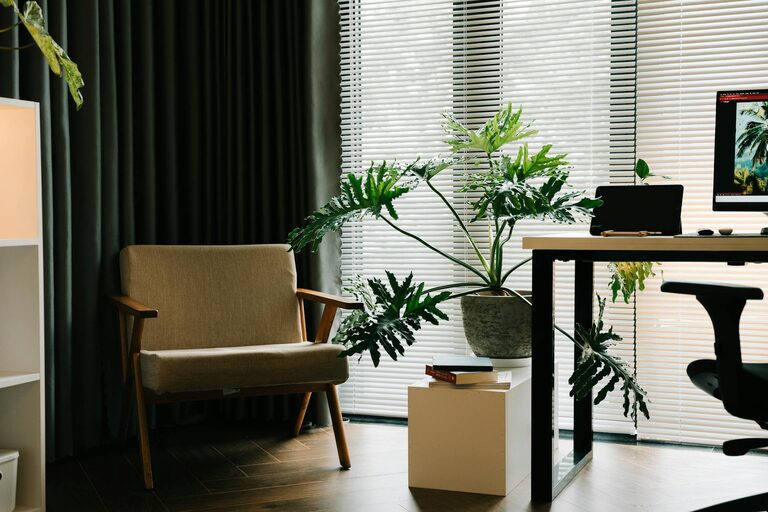
Finding the best spot for your home office is the first step. Ideally, pick a quiet area with plenty of natural light. If possible, avoid high-traffic zones to minimize interruptions.
– Near a window: Natural light can boost mood and energy levels.
– Away from noisy appliances or loud areas: Reduces distractions.
– Comfortable space: Make sure there’s enough room for your furniture and movement.
2. Invest in Comfortable Furniture
Comfort plays a major role in creating a relaxed work environment.
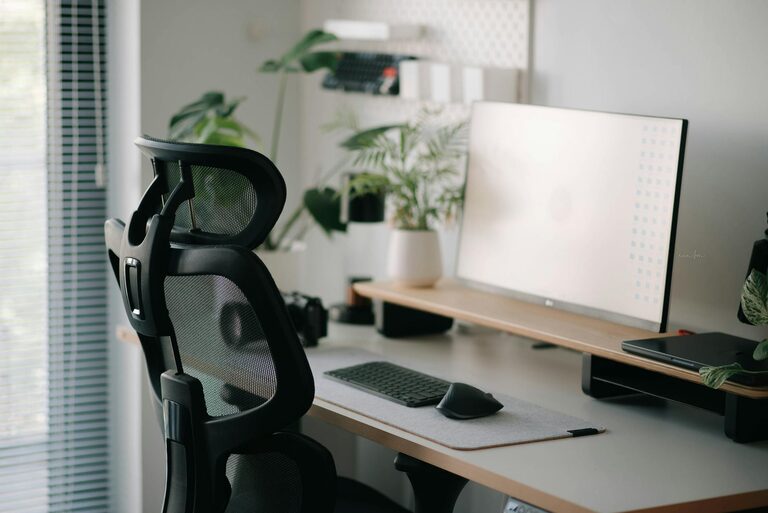
– Ergonomic chair: Choose one that supports good posture and provides adjustable features.
– Desk at the right height: Your desk should allow elbows to rest comfortably at a 90-degree angle.
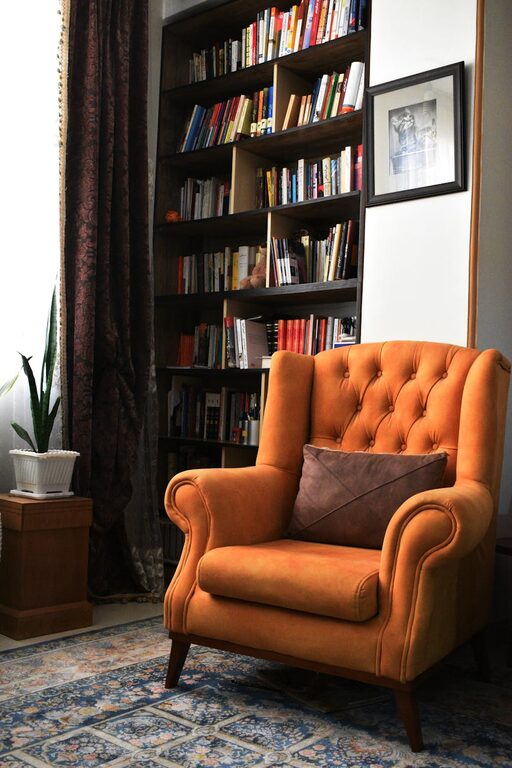
– Additional seating: Consider a cozy chair or small sofa for breaks or brainstorming sessions.
3. Organize Your Space Efficiently
Clutter can increase stress, so keeping your office tidy is key.
– Use storage solutions: Shelves, drawers, and boxes help keep supplies in order.
– Cable management: Organize cords with clips or sleeves to avoid tangles.
– Minimalist approach: Keep only essential items on your desk to maintain clarity.
4. Personalize with Calming Elements
Adding personal touches can make your workspace feel welcoming and peaceful.
– Plants: Indoor greenery improves air quality and adds a touch of nature.
– Artwork or photos: Choose images that inspire or soothe you.
– Soft textiles: Cushions or rugs can add warmth and comfort.
5. Control Lighting and Temperature
Proper lighting and temperature help maintain focus and comfort throughout the day.
– Adjustable lighting: Use desk lamps or floor lamps to complement natural light.
– Avoid glare: Position screens away from direct sunlight.
– Maintain a comfortable temperature: Use fans or heaters as needed to keep the room cozy.
6. Incorporate Sound Management
Noise can be distracting, so consider ways to minimize or control sound.
– Noise-cancelling headphones: Great for focusing in noisy environments.
– Soft background music: Helps some people concentrate and stay relaxed.
– Soundproofing: Rugs, curtains, or wall panels can absorb excess noise.
7. Establish a Routine and Boundaries
A relaxing workspace also depends on good habits.
– Set regular working hours: Keeps work and personal life balanced.
– Take breaks: Short pauses help refresh your mind.
– Define “office hours” to family or housemates: Reduces interruptions and maintains focus.
8. Keep Technology Simple and Efficient
Technology can enhance productivity if used wisely.
– Reliable equipment: Invest in good-quality computers, monitors, and peripherals.
– Wireless devices: Reduce cable clutter.
– Organized digital files: Create folders and backups to avoid frustration.
9. Add Scent for Relaxation
A pleasant aroma can make your space more enjoyable and calming.
– Essential oil diffusers: Lavender, chamomile, or eucalyptus are popular for relaxation.
– Scented candles: Choose subtle, natural scents to avoid distraction.
10. Maintain Cleanliness Regularly
A clean environment supports calmness and productivity.
– Daily quick tidy-ups: Prevent mess from building up.
– Weekly deep cleaning: Dust, vacuum, and sanitize surfaces.
—
By incorporating these tips, you can create a home office environment that not only supports your work but also promotes relaxation and well-being. Remember, your workspace should reflect your personal preferences and needs, so feel free to experiment and find what works best for you.